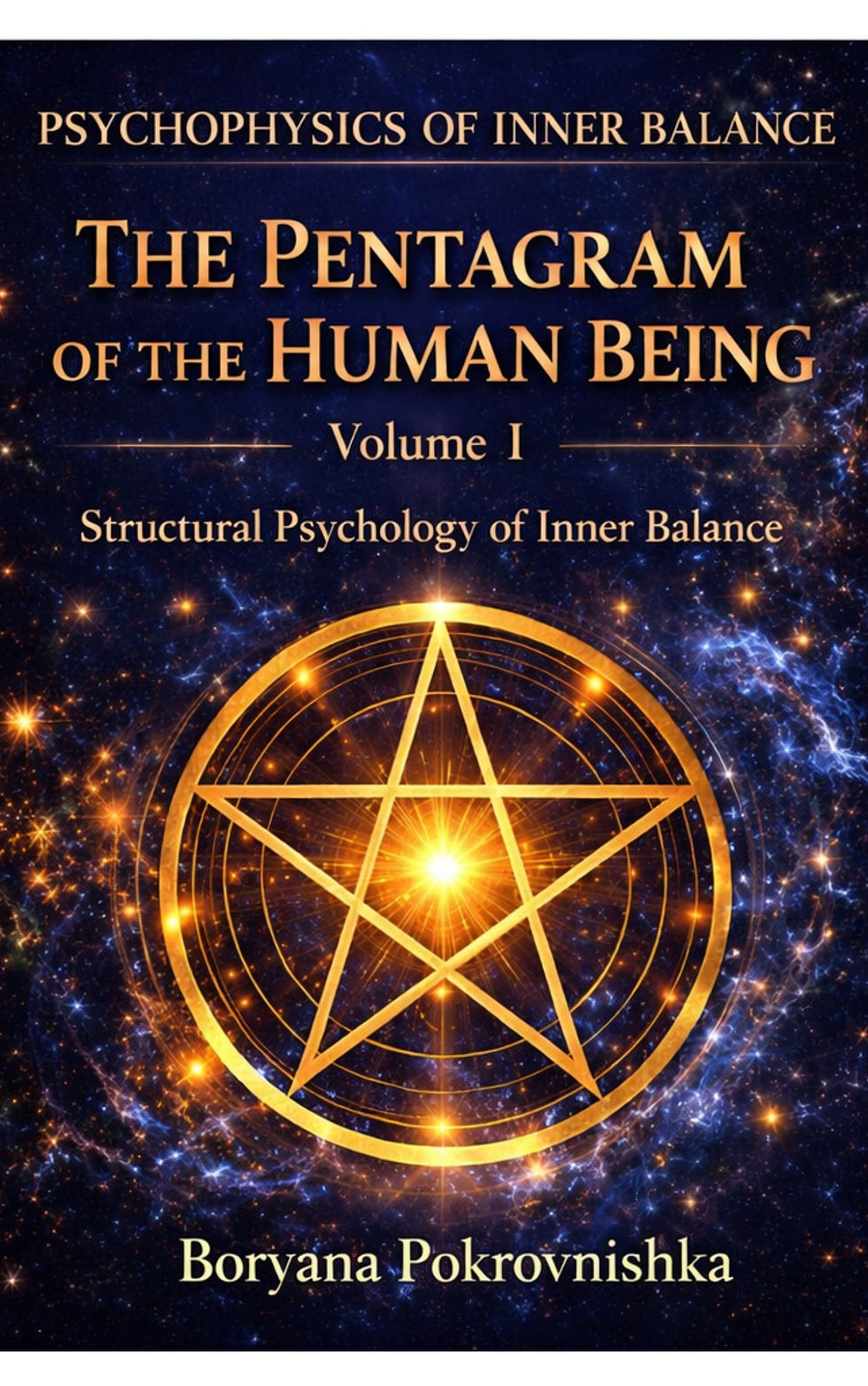
El yo fragmentado
El sufrimiento psicológico moderno a menudo surge de una asimetría interna: una falta de alineación entre el pensamiento, la emoción, la voluntad, los valores y la identidad.
Cinco Principios Fundamentales
Sabiduría (Claridad cognitiva)
Amor (Regulación emocional)
Verdad (Integridad volitiva)
Justicia (Orientación moral)
Virtud (Coherencia de identidad)
Sabiduría
La sabiduría representa la dimensión cognitiva del equilibrio interior. Es la capacidad de pensamiento reflexivo, comprensión estructural y metaconciencia. Cuando se distorsiona, la cognición se vuelve rígida, fragmentada o reactiva. Cuando se integra, proporciona claridad y dirección a todo el sistema.
Amor
El amor se refiere a la dimensión afectiva: vitalidad emocional, regulación y capacidad relacional. No es sentimentalismo, sino energía emocional regulada. En desequilibrio, las emociones dominan o se desconectan. En integración, proporcionan calidez y coherencia psicológica.
Verdad
La verdad expresa el eje volitivo del ser. Refleja la congruencia entre pensamiento, emoción y acción. Cuando se debilita, la voluntad se vuelve impulsiva, evasiva o conflictiva. Cuando se alinea, genera integridad y un movimiento interior decisivo.
Justicia
La justicia representa la orientación moral del individuo. Se refiere a la claridad de valores y la coherencia ética. Sin ella, las decisiones se vuelven impulsadas externamente o situacionales. Cuando se estabiliza, actúa como una brújula interna que guía la acción responsable.
Virtud
La virtud se refiere a la coherencia de la identidad y al carácter estructural. Es la integración de valores en una orientación personal estable. Cuando está fragmentada, la identidad fluctúa entre roles y expectativas. Cuando se consolida, produce estabilidad y significado interior.

Cuatro Niveles de Conciencia
El Nivel Subconsciente
El nivel subconsciente representa los patrones automáticos, la memoria implícita y las respuestas prerreflexivas. Regula los hábitos, el condicionamiento emocional y las reacciones aprendidas. En este nivel, el comportamiento se rige más por la experiencia acumulada que por la elección consciente. El desequilibrio estructural se manifiesta como repetición sin consciencia.
El Nivel Consciente
El nivel consciente implica la consciencia activa y el procesamiento racional. Permite la reflexión, el análisis y la toma de decisiones deliberada. Sin embargo, la consciencia por sí sola no garantiza la integración; puede permanecer fragmentada si no se conecta con capas más profundas. Este nivel proporciona estructura, pero aún no autoría.
El Nivel Autoconsciente
La autoconsciencia introduce la reflexividad: la capacidad de observar los propios pensamientos, emociones y motivaciones. En este nivel, el individuo se convierte tanto en sujeto como en objeto de consciencia. El crecimiento psicológico se acelera aquí, a medida que las contradicciones internas se hacen visibles y viables.
La Orientación Trascendente
El nivel más alto representa la orientación hacia el significado más allá de los impulsos y roles inmediatos. No se trata de una abstracción mística, sino de un horizonte ampliado de responsabilidad y propósito. En este nivel, los valores, la identidad y la dirección convergen en un eje interior coherente.